溯源传统,看见世界|国际部五年级Heritage单元探究纪实
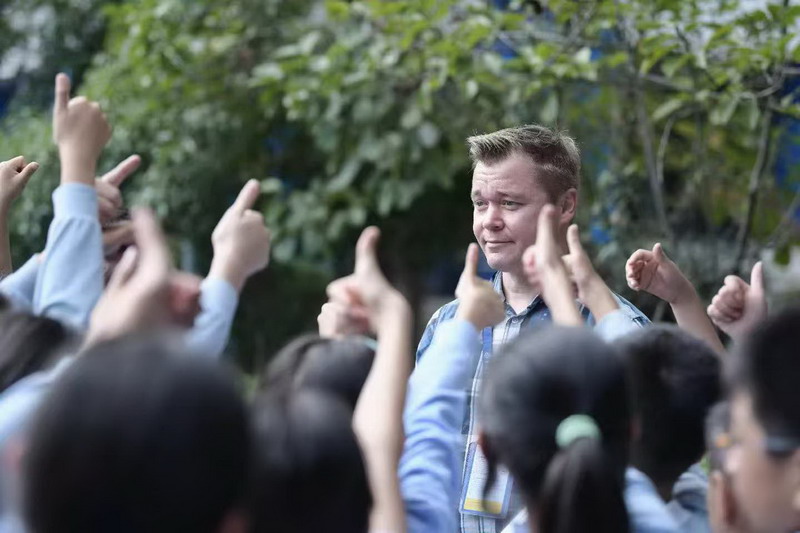
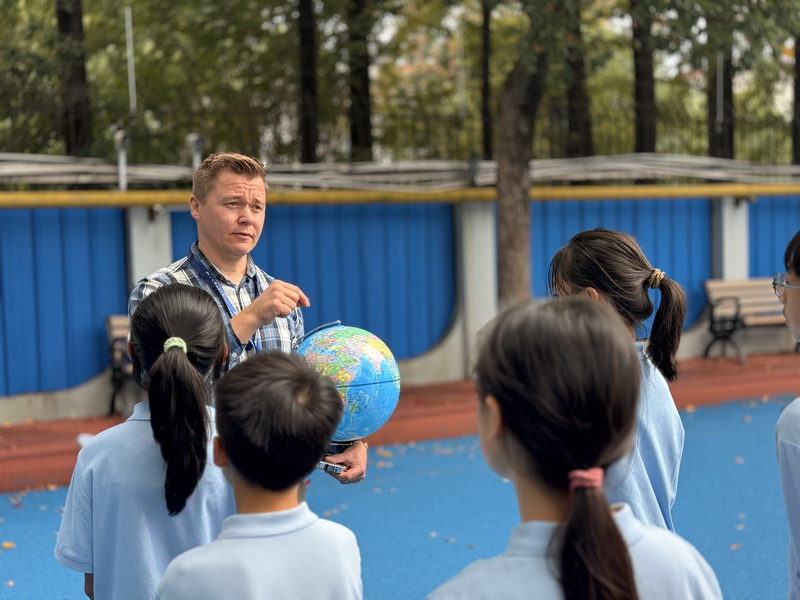
本学期,国际部五年级学生围绕超学科探究主题“Where we are in place and time”,开启全新UOI单元“Heritage 文化遗产”的深度学习。本单元秉持立足中华本土文化、放眼全球多元视野的探究理念,引导学生走进历史、触摸传统,理解文化遗产的传承意义,学会尊重本土文明、包容世界文化。在单元推进过程中,我校迎来芬兰交流教师Mr. Kimmo到校授课,多元的国际课堂体验,进一步丰富了孩子们的单元探究视角。
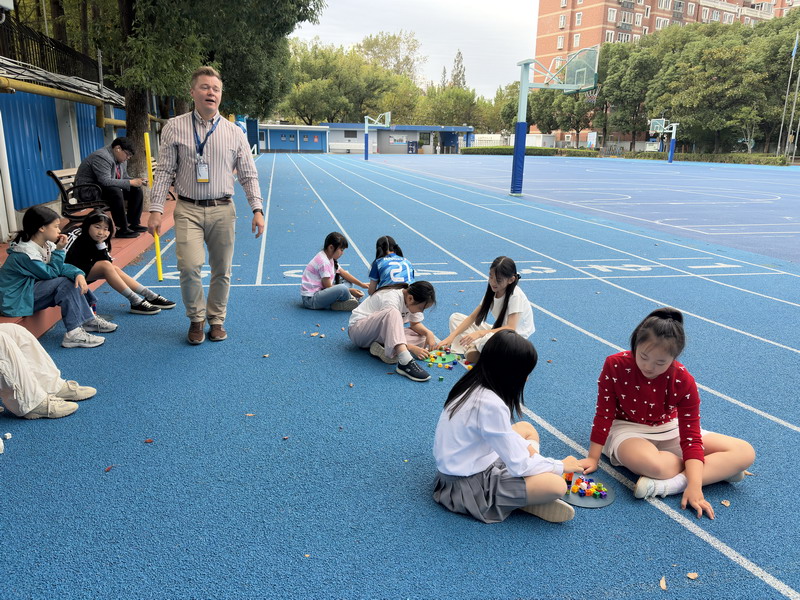
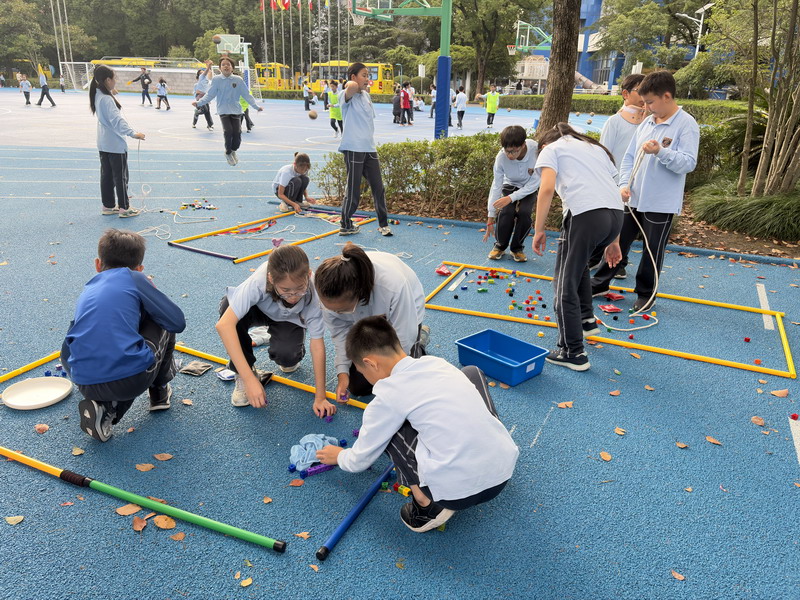
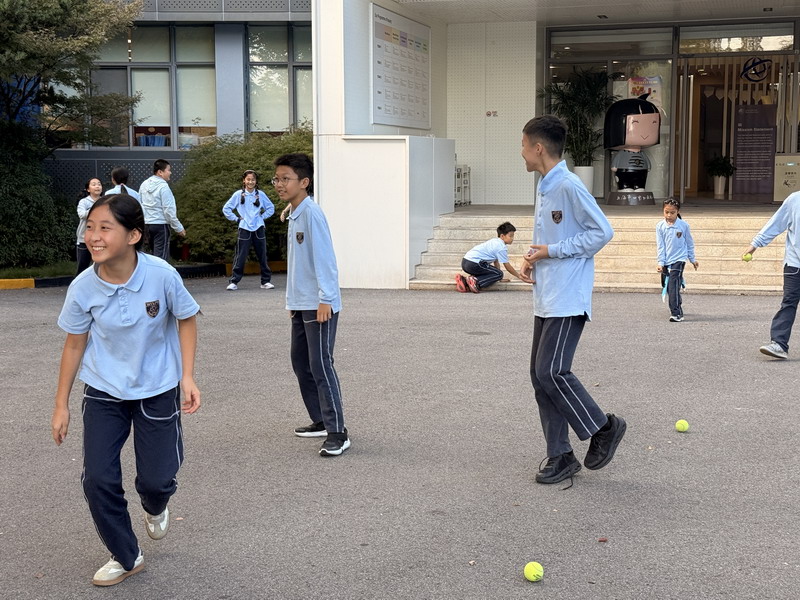
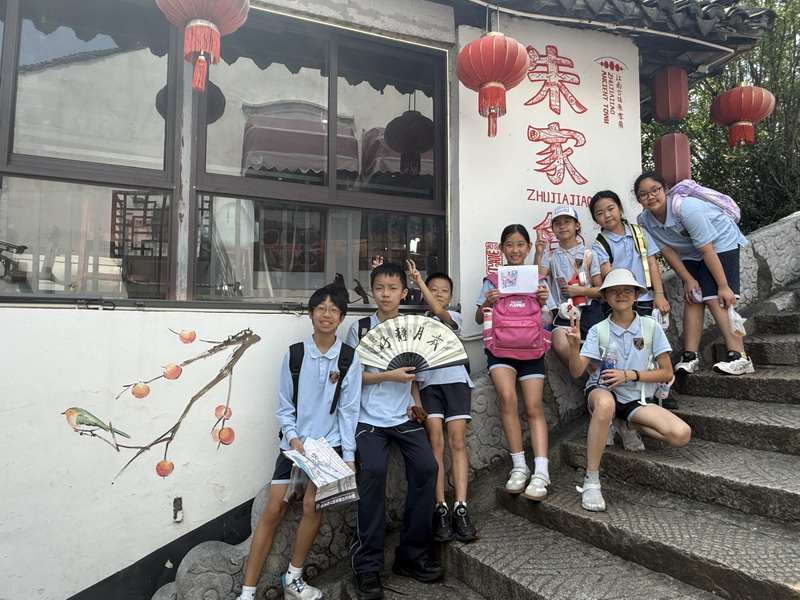
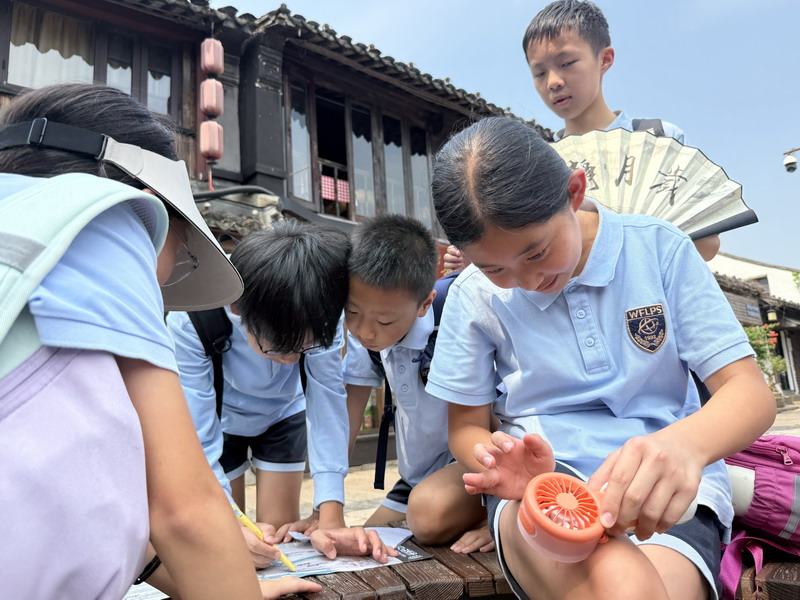
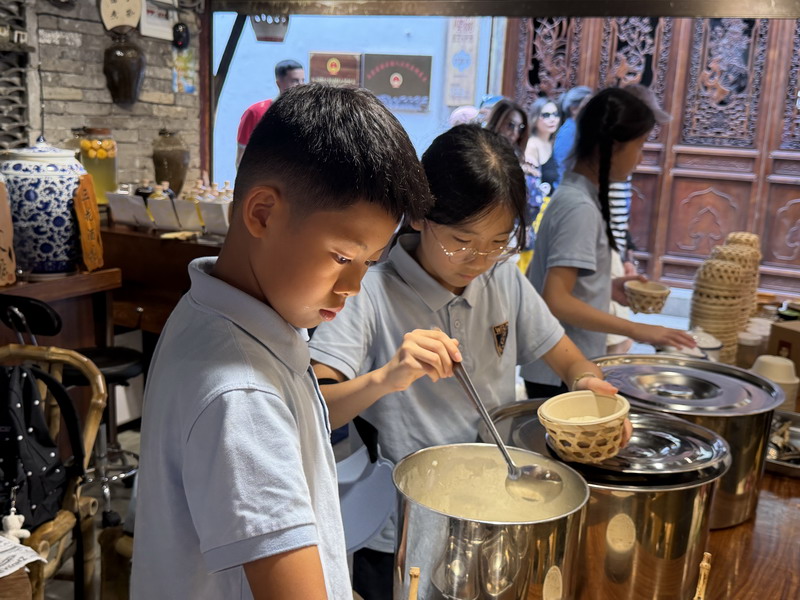
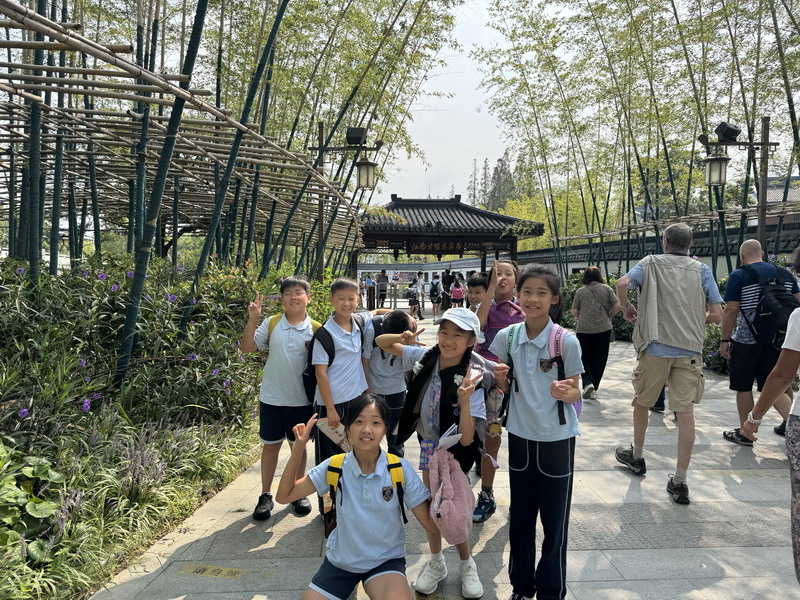
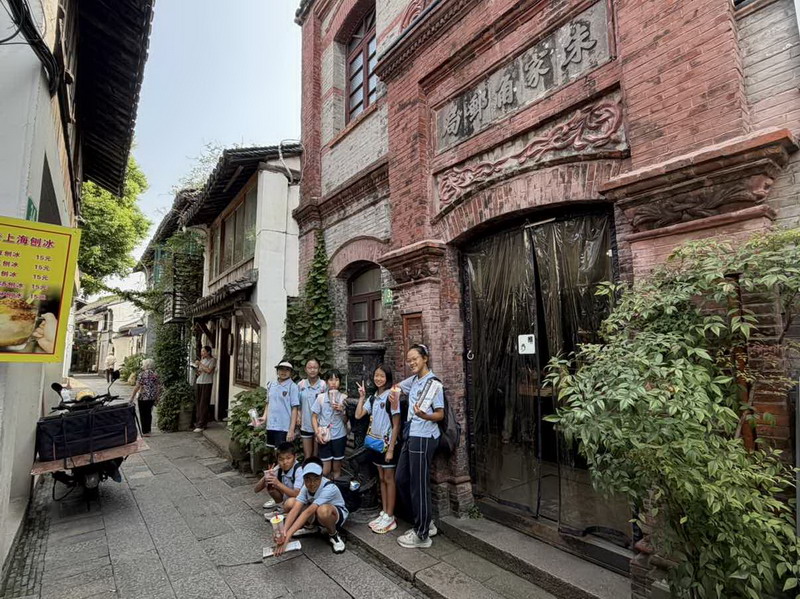
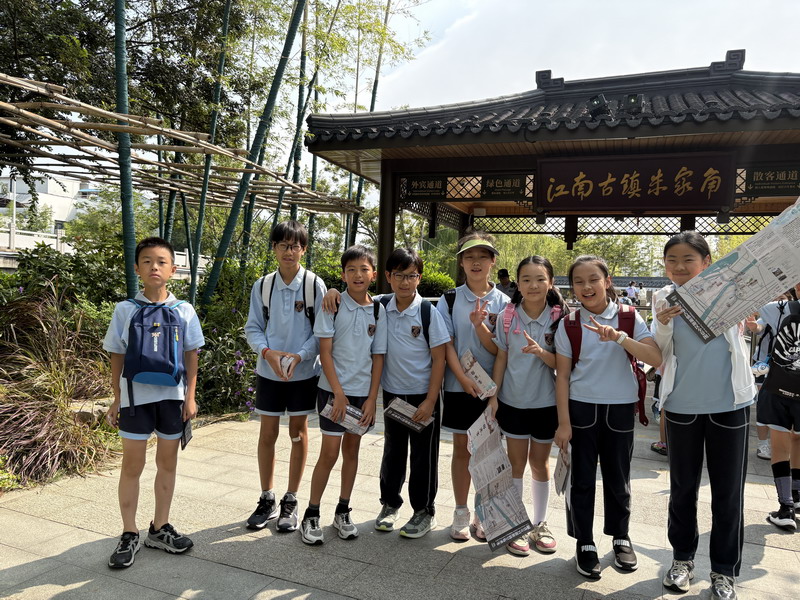
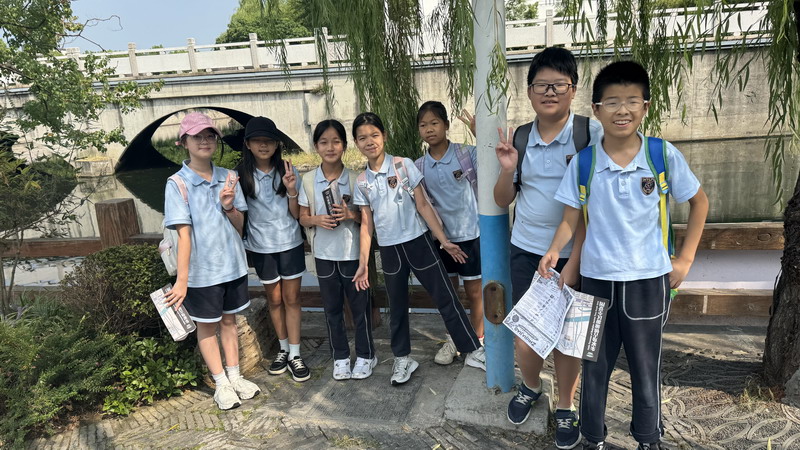
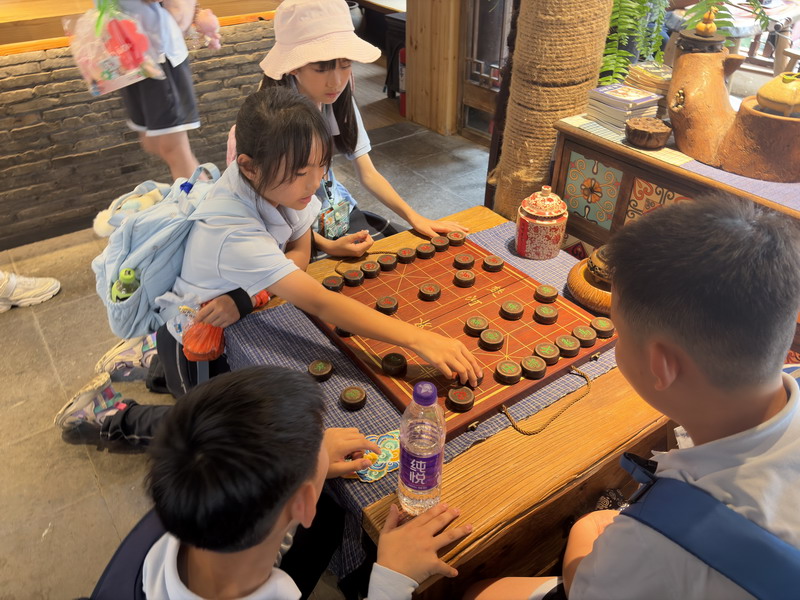
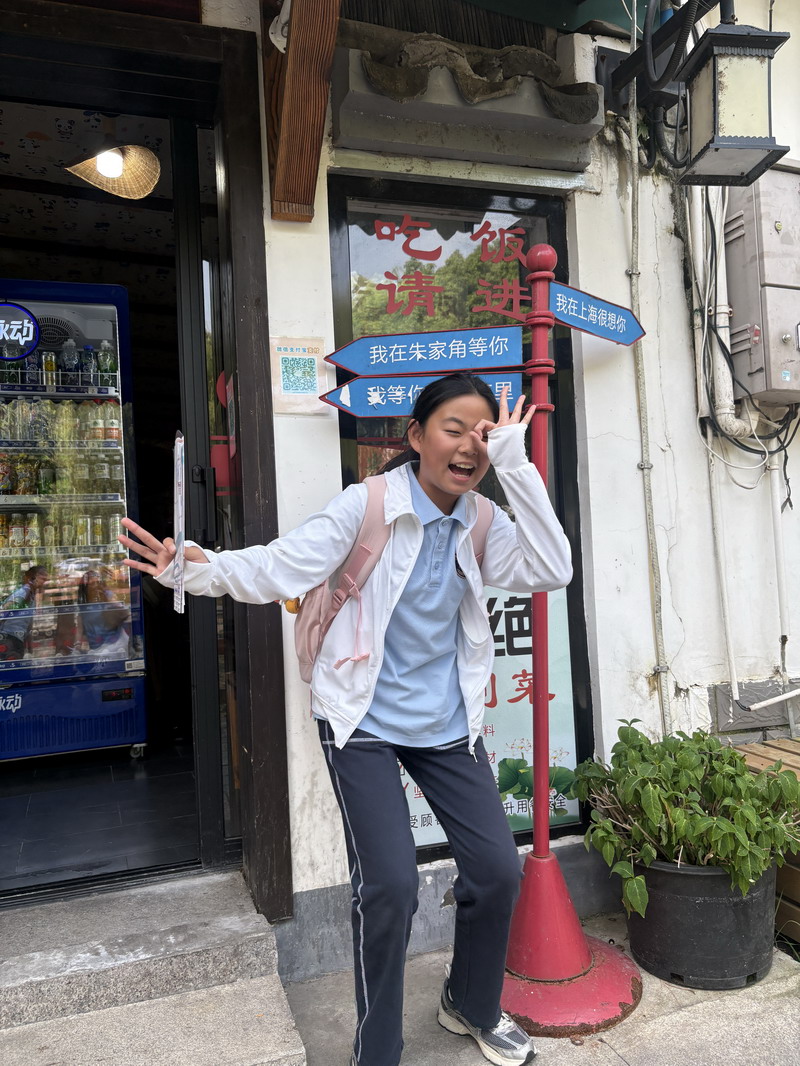
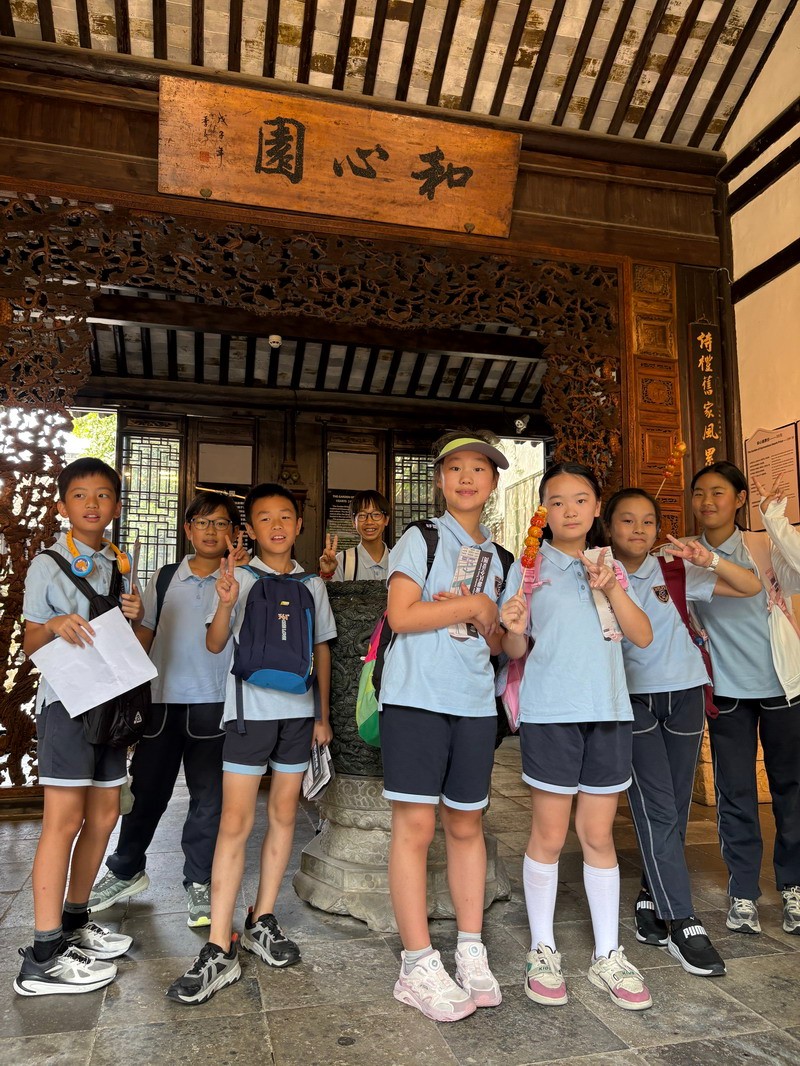
为让学生跳出课本,沉浸式感受鲜活的中华文脉,五年级全体学生走进朱家角古镇开展实地研学。穿梭在千年水乡的古街石桥之间,孩子们沉浸式观察江南传统建筑、水乡格局与中式人文风貌,主动探寻街巷中留存的传统文化遗产元素。研学途中,同学们与本地居民交流互动,品尝特色传统美食,用镜头记录古镇古韵。同时,大家亲手体验包粽子、制香囊、做手工豆花等传统民俗手作,在亲身实践中感受传统民俗的烟火气息与文化底蕴。
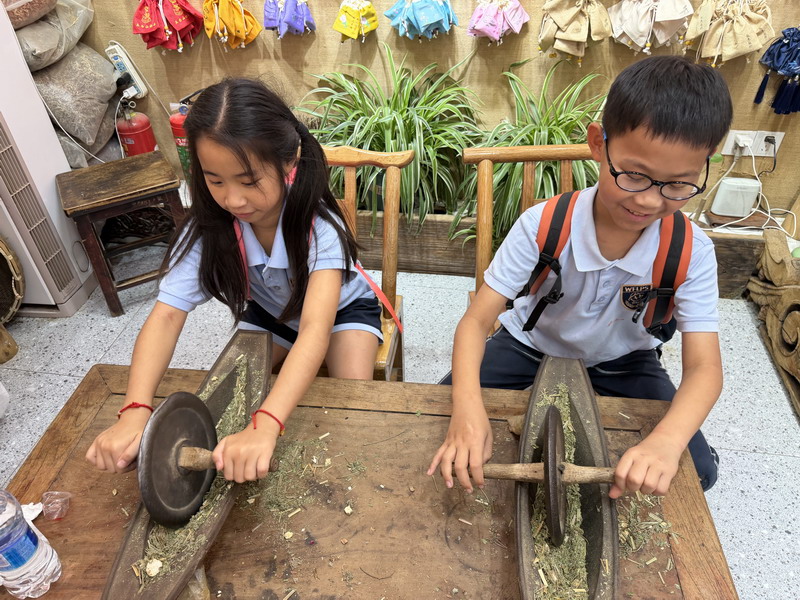
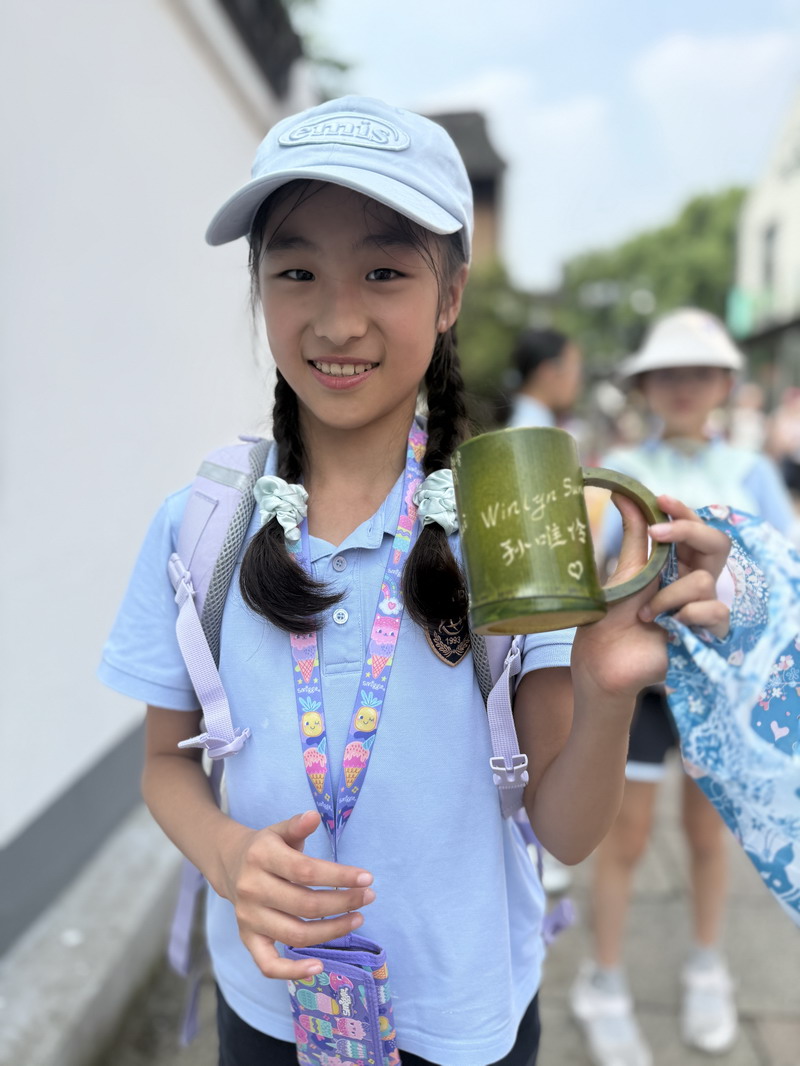
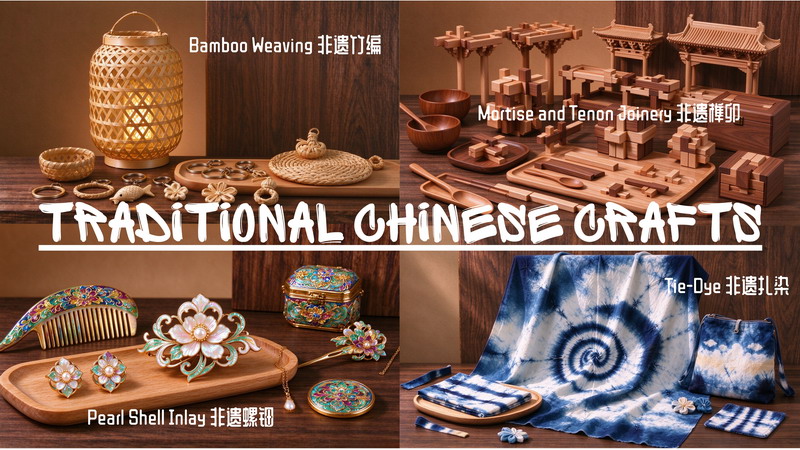
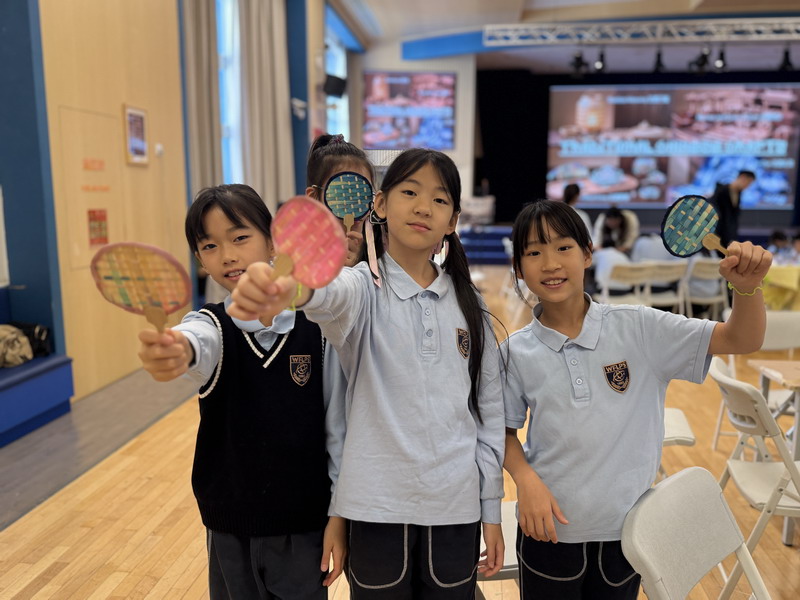
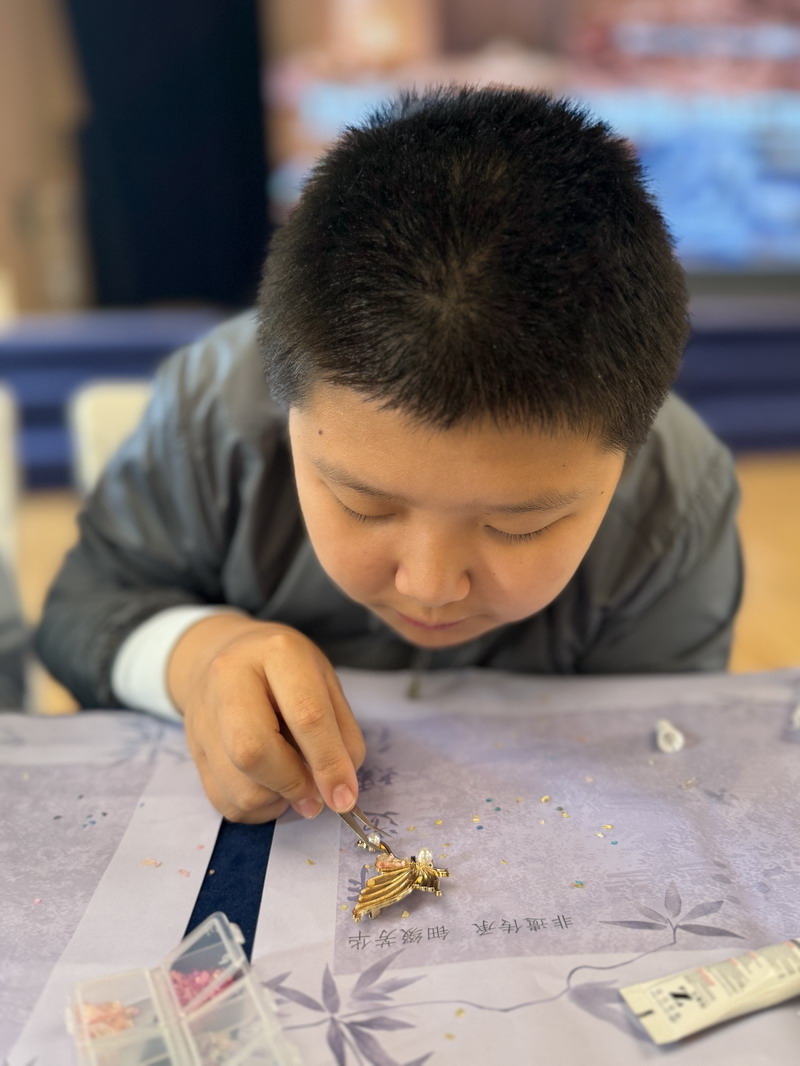
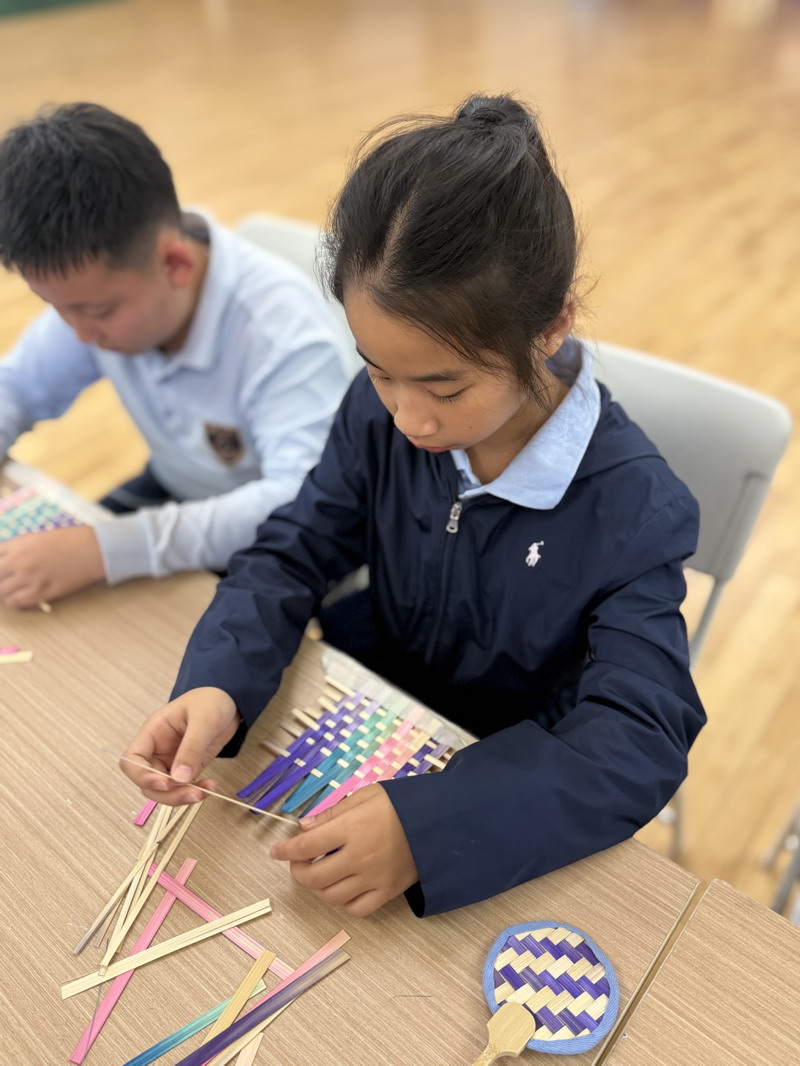
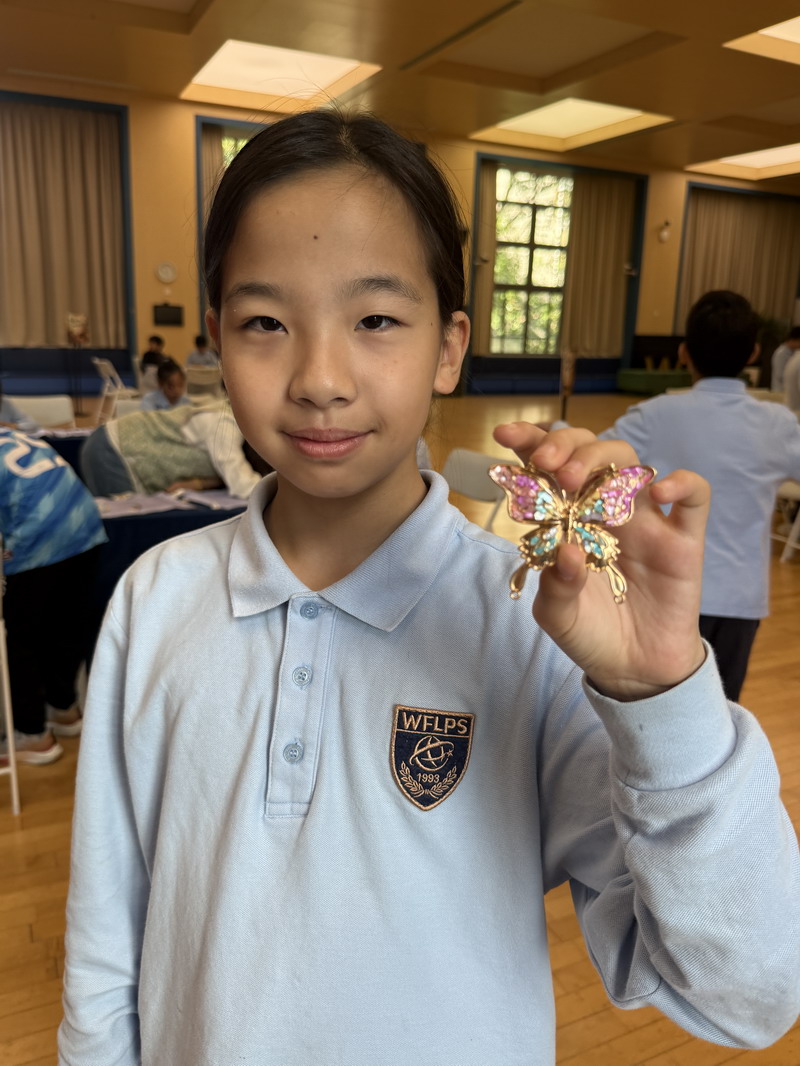
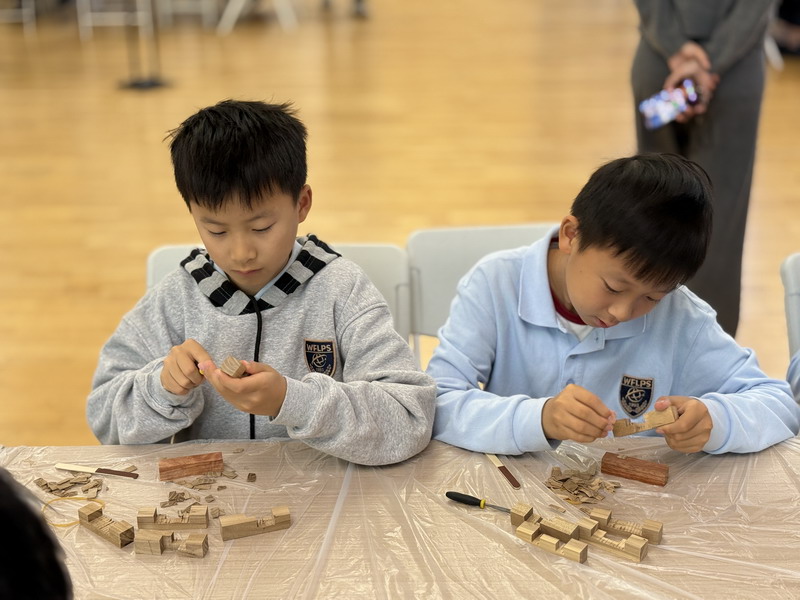
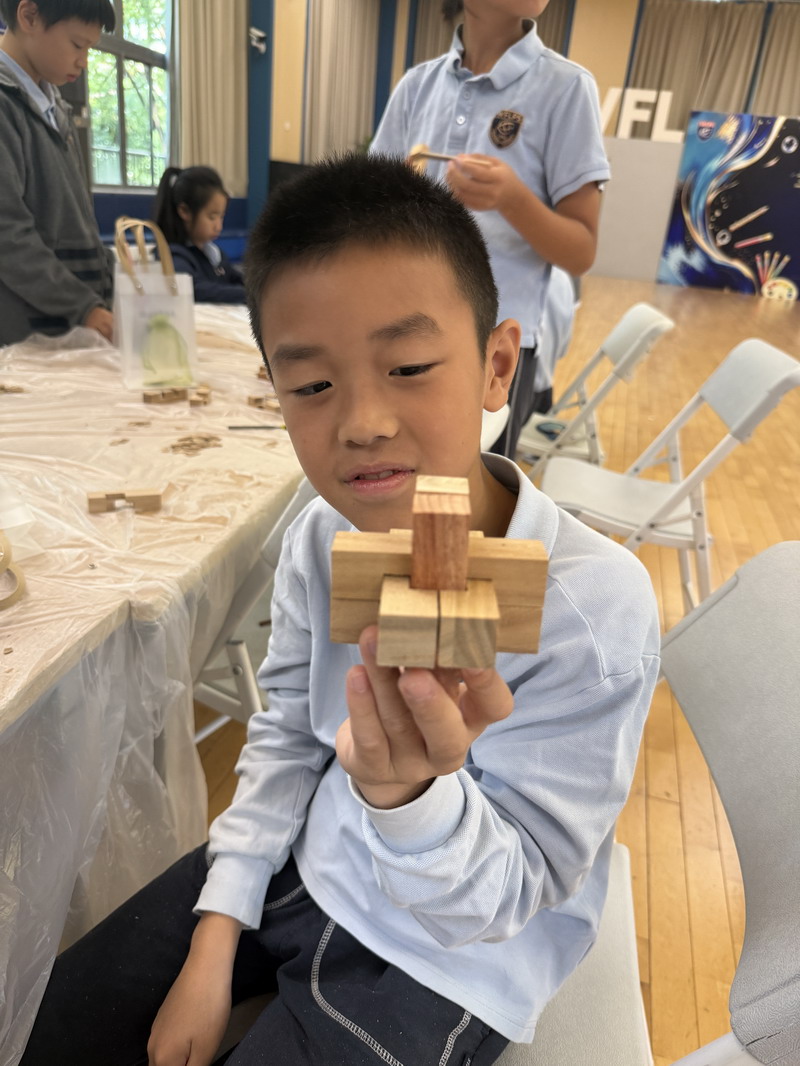
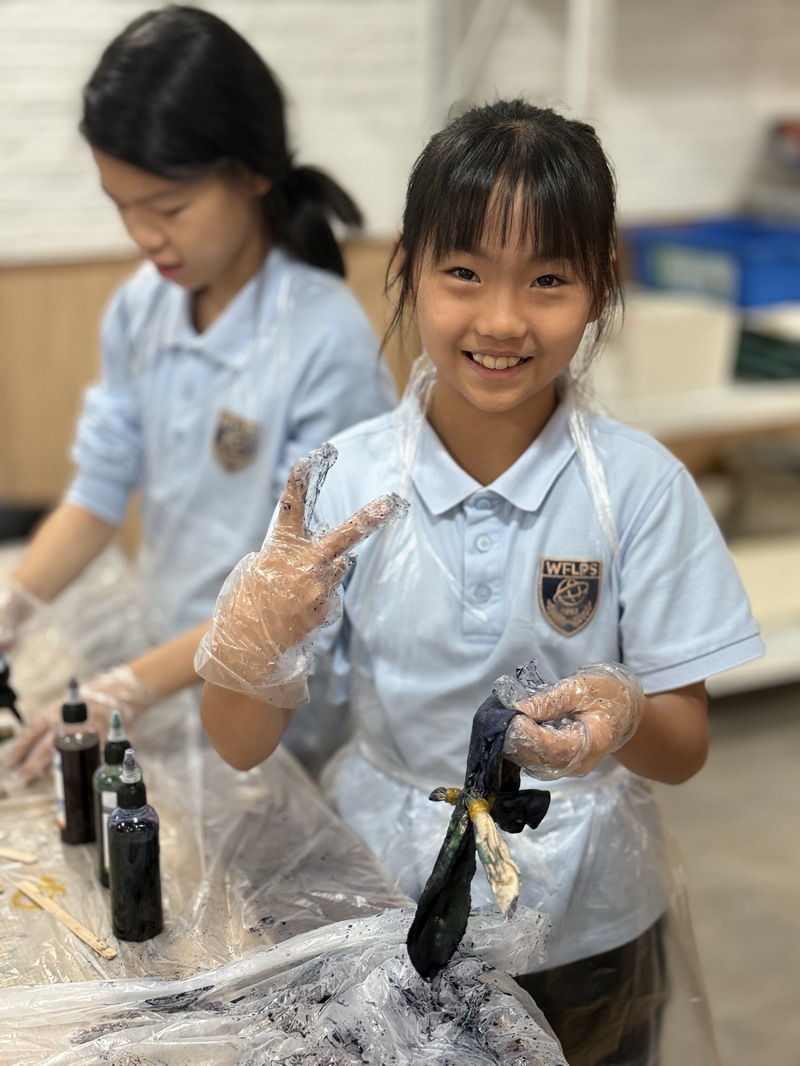
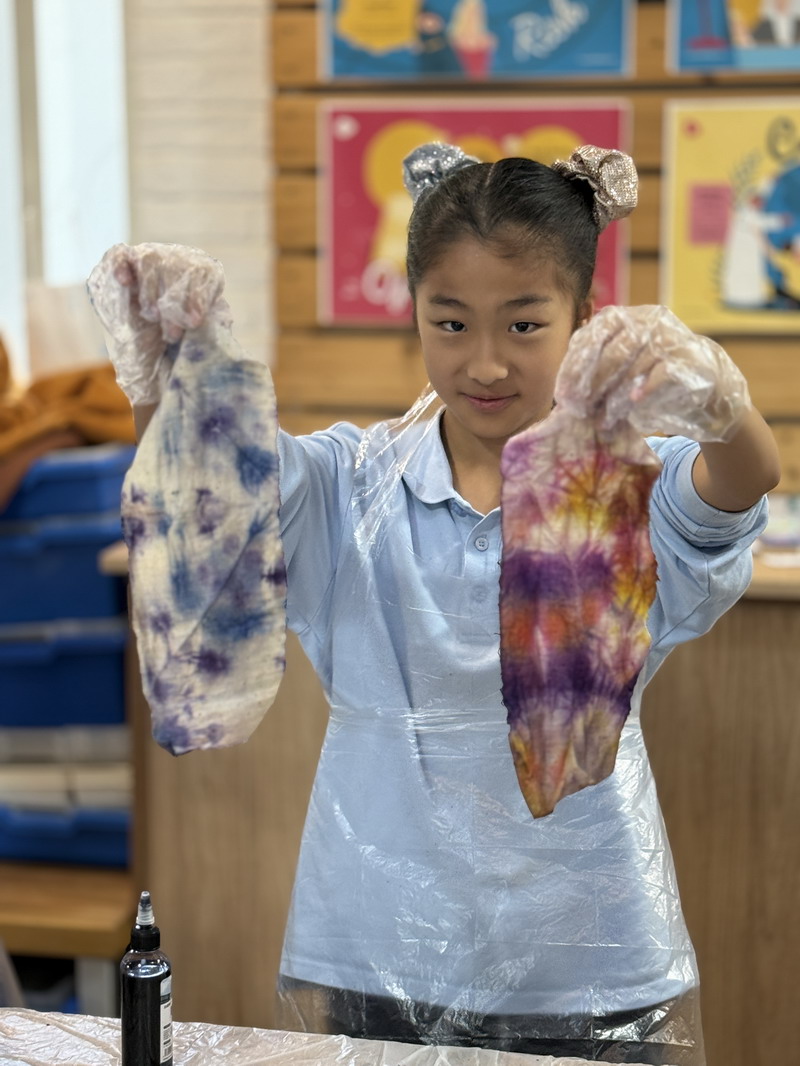
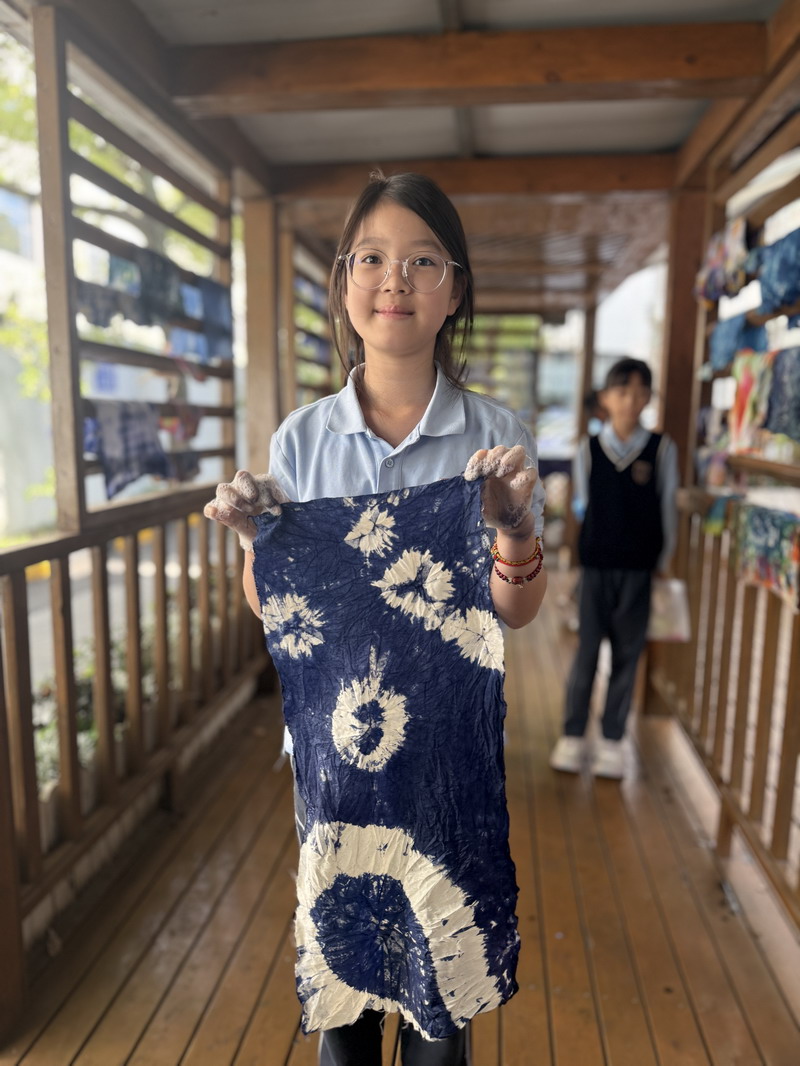
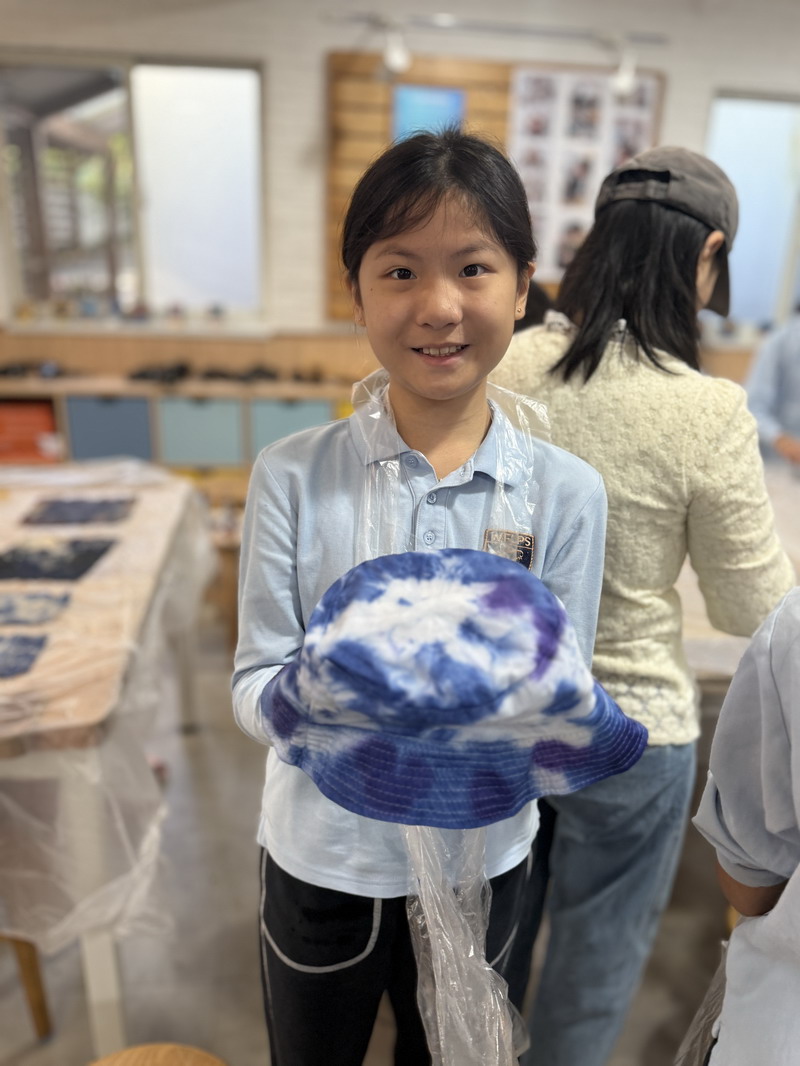
除户外实地探究外,学校还精心组织了非遗工坊体验活动。学校特邀专业非遗老师授课,为同学们带来非遗竹编、非遗螺钿、非遗扎染、非遗榫卯四项传统技艺课程。老师细致讲解每一项非遗工艺的悠久历史、文化寓意与制作工艺。学生根据自身兴趣自主选择体验项目,亲手操作、耐心创作,在沉浸式动手体验中感受传统手艺的精妙匠心,深刻体会中华非遗文化的独特魅力与传承价值。
从探索朱家角的历史街巷到尝试传统手工艺,这项对中国文化遗产的探索通过一系列有意义的体验让学习变得生动起来。孩子们在探究中扎根本土文化、建立文化认同,在交流与体验中开阔国际视野。在对传统的探索与尊重中,每一位学生都慢慢成长为懂得传承、懂得包容、面向未来的小小文化传播者。
撰文:虞莹Rita Yu
摄影:国际部五年级老师
Exploring Traditions, Discovering the World: Year 5 Heritage Inquiry
Year 5 students from WFLPS International Division began their new Unit of Inquiry, Heritage, under the transdisciplinary theme Where We Are in Place and Time. With a focus on Chinese cultural heritage and an appreciation of cultures around the world, the unit encourages students to explore history, experience traditions firsthand and develop an understanding of why preserving cultural heritage matters. Throughout the unit, students have been encouraged to value their own cultural heritage while developing respect for different cultures. The visit of Finnish exchange teacher Mr Kimmo added another perspective to their learning and provided opportunities to explore new ideas through different classroom experiences.
To bring their learning beyond the classroom, Year 5 students visited Zhujiajiao Ancient Town, where they experienced traditional Chinese culture firsthand. As they walked along the historic streets and stone bridges of this ancient water town, students explored traditional Jiangnan architecture, the layout of the waterways and the cultural features that make the town unique. They looked for examples of cultural heritage preserved in the streets and buildings, spoke with local residents, sampled traditional food and captured their experiences through photography. Students also took part in traditional activities, including making zongzi (sticky rice dumplings), creating scented sachets and preparing handmade tofu. These experiences gave them a greater appreciation of the traditions and everyday practices that have been passed down through generations.
Back at school, students continued their exploration through a series of traditional Chinese craft workshops led by invited specialists. They had the opportunity to choose from four activities: bamboo weaving, mother-of-pearl inlay, tie-dyeing and traditional mortise-and-tenon joinery. Each workshop introduced students to the history, cultural significance and techniques behind the craft. Students selected activities based on their interests and worked carefully to create their own pieces. Through these hands-on experiences, they developed an appreciation of the skill, patience and creativity involved in traditional craftsmanship, as well as the importance of preserving these cultural practices for future generations.
From tracing cultural roots in the ancient water town to appreciating craftsmanship through hands‑on creation, the Heritage unit brings traditional culture to life for students through rich and varied inquiry activities. Students build cultural identity rooted in their native heritage while expanding their global outlook through communication and experiential learning. By exploring and respecting traditions, every student grows into a young cultural advocate who values inheritance, embraces inclusiveness and looks toward the future.
From exploring the historic streets of Zhujiajiao to trying their hand at traditional crafts, this inquiry into Chinese cultural heritage has brought learning to life through a range of meaningful experiences. Students have developed a deeper understanding of their own cultural heritage while broadening their perspectives through exploration and cultural exchange. Most importantly, they are beginning to recognise that cultural heritage is not simply something from the past, but something that continues to shape our identities and deserves to be understood, appreciated and preserved for future generations.
Written by: Rita Yu (Yu Ying) Photography: Grade 5 Teachers, International Division